

 HealthABC News & Headlines
Millions of Australians living in homes linked to poor health, new research finds
University of Melbourne research finds 2.5 million Australians live in homes causing serious health problems including asthma, respiratory illness and poor mental health.
New research from the University of Melbourne finds 2.5 million Australians live in homes linked to serious health problems, from asthma and respiratory illness to poor mental health.
New University of Melbourne research found 2.5 million Australians live in homes that are actively harming their physical and mental health.
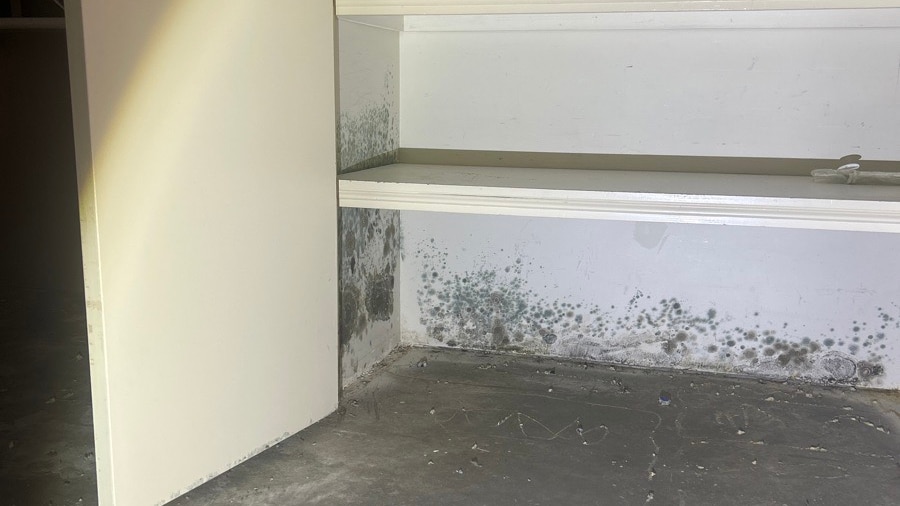
Damp, mouldy, poorly insulated homes raise the risk of respiratory illness, and high housing costs strain mental health, the researchers found.
Researchers say addressing mould alone could save Australia 3.8 billion in healthcare costs and urge housing and health policy to be treated together.
Researchers say fixing mould exposure alone could save Australia 3.8 billion in healthcare costs, so if your home is damp or mouldy it is worth reporting it to your landlord or checking rental…
Researchers say housing should be on the list of known health risks such as smoking, drinking and eating too much sugar.
An estimated 2.5 million Australians live in homes that harm their health and wellbeing, according to research led by the Healthy Housing Unit at the University of Melbourne.
The research suggests poor housing can affect health in multiple ways.
High housing costs can strain mental health, while damp, mouldy and poorly insulated homes can increase the risk of respiratory illness and make it difficult to stay safe during extreme weather.
Healthy homes are free from mould, damp, toxic substances, unwanted noise and pests. They can be heated and cooled affordably, are well ventilated and secure, and do not expose residents to unnecessary injury risks.
When those foundations are missing, the consequences can affect people's lungs, hearts, children's development and even life expectancy, according to Rebecca Bentley, director of the NHMRC Centre of Research Excellence in Healthy Housing.
"We can no longer afford to treat housing and health as separate," Professor Bentley said.
"Heatwaves and cold snaps mean residents of homes that are in poor condition, or where people are already struggling with housing costs, can find it difficult to keep indoor temperatures within a healthy range."
Australian homes have long struggled to cope with extreme temperatures.
A Cotality report from 2024 found homes built after 2010 had a median energy rating of 5.9 stars out of 10, compared with just 2.8 stars for older homes.
A zero-star home is too hot in summer, too cold in winter and requires excessive energy to heat and cool, with lower-rated homes often compared to living in a tent.
Researchers estimate that if mould exposure alone was addressed, Australia could save $3.8 billion in healthcare expenditure and gain $5.9 billion in productivity.
Years-long search for answers
For years, Amy Charchar could not understand why her health was deteriorating.
The Victorian renter said she cycled through hospitals, specialists and medical appointments as a growing list of symptoms began affecting nearly every aspect of her life.
Those included a chronic cough, breathlessness, severe brain fog, orthostatic hypotension, joint pain and debilitating fatigue.
By the age of 40, she was using a wheelchair and struggling with everyday tasks.
"If you spoke to me three years ago, I could not talk. My speech was slurred. I couldn't pick up a pen to sign my children's homework. It was devastating," she said.
Ms Charchar said she presented to hospital about 40 times searching for answers.
"Not one doctor said to me, 'Could it be your environment?'" she said.
The breakthrough came after a chance conversation with an elderly woman in hospital prompted her to investigate whether mould in her home could be contributing to her symptoms.
"I honestly thought she was crazy.
"But we went home, I lifted up the carpet and passed out from the exposure."
An independent hygienist later identified significant mould contamination in the property. Armed with the building report, Ms Charchar's doctors were finally able to connect years of unexplained illness to her living environment.
She was subsequently diagnosed with chronic inflammatory response syndrome (CIRS), adult-onset asthma and other health conditions she believes were linked to mould exposure.
CIRS is thought to be caused by mould or moisture damage.
Three of her four children, all born while the family was living in the property, have since developed asthma.
Professor Bentley said Ms Charchar's experience reflected broader findings showing renters often faced greater exposure to housing-related health risks.
"People living in rental properties are more likely to report problems with mould and damp than owner-occupiers and also face more barriers to remediation," she said.
Those already facing disadvantage are also often more likely to experience unhealthy housing.
"That includes people on lower incomes, renters, Aboriginal and Torres Strait Islander peoples, older adults, people with disability and people living with chronic conditions," Professor Bentley said.
A healthy way forward
Professor Bentley said tackling the problem would require Australians to rethink the role housing played in society.
"Rather than seeing housing primarily in financial terms, we should consider it important health infrastructure," she said.
She said Australia needed a national approach to minimum housing standards and renter protections, as well as a plan to ensure existing homes could better withstand a changing climate.
While Ms Charchar says she is slowly recovering, she continues to live with lasting health impacts from the mould exposure.
She hopes greater awareness will spare others from a similar ordeal.
"Mould is not a new story," she said.
"The government has failed miserably and what we need right now is proper legislation in place and for medical professionals to have the tools to be able to recognise when a patient walks in with 30-plus symptoms."
Five minutes for you


More from Cuppa
Greens leader Ellen Sandell defies own how-to-vote cardVictorian Greens leader Ellen Sandell voted differently to her own how-to-vote card on election day, preferencing the Animal Justice Party candidate third instead of an independent.
Child star takes swipe at J.K. Rowling after losing Harry Potter roleA 14-year-old actor who missed out on a Harry Potter HBO role said he prefers his new film anyway, and took a dig at J.K. Rowling in the process.
Two overlooked “forever chemicals” linked to up to 2.5 times the odds of liver cancerA new study links two lesser-known forever chemicals found in everyday products to up to 2.5 times the odds of developing liver cancer, especially in people with fatty liver disease.
AI labs sitting on ‘bombshell’ revelations that could cause global chaos, experts warnExperts warn AI may have secretly cracked the maths behind global encryption, which could expose banking and government communications worldwide.
House slips down hill as fresh landslide hits Mornington PeninsulaA fresh landslide at McCrae on the Mornington Peninsula has caused an unoccupied house to slide down a hill, with an emergency warning urging locals to stay away.
Clayton reveals Labuschagne backing amid Test switchJack Clayton is set to make his Test debut for Australia against New Zealand in Perth, replacing Marnus Labuschagne who reportedly gave him his full support.
Israeli strike on Doctors Without Borders clinic in Gaza kills two staffAn Israeli strike on a clearly marked Doctors Without Borders clinic in Gaza City killed two MSF staff, bringing the total MSF deaths in Gaza to 17.
Home damaged along troubled stretchA fresh landslide at McCrae on the Mornington Peninsula has damaged an unoccupied home, with nearby properties evacuated and roads closed.
What readers are saying