

 BenefitsABC News & Headlines
Inflation rises more than expected to 4.9pc in year to October
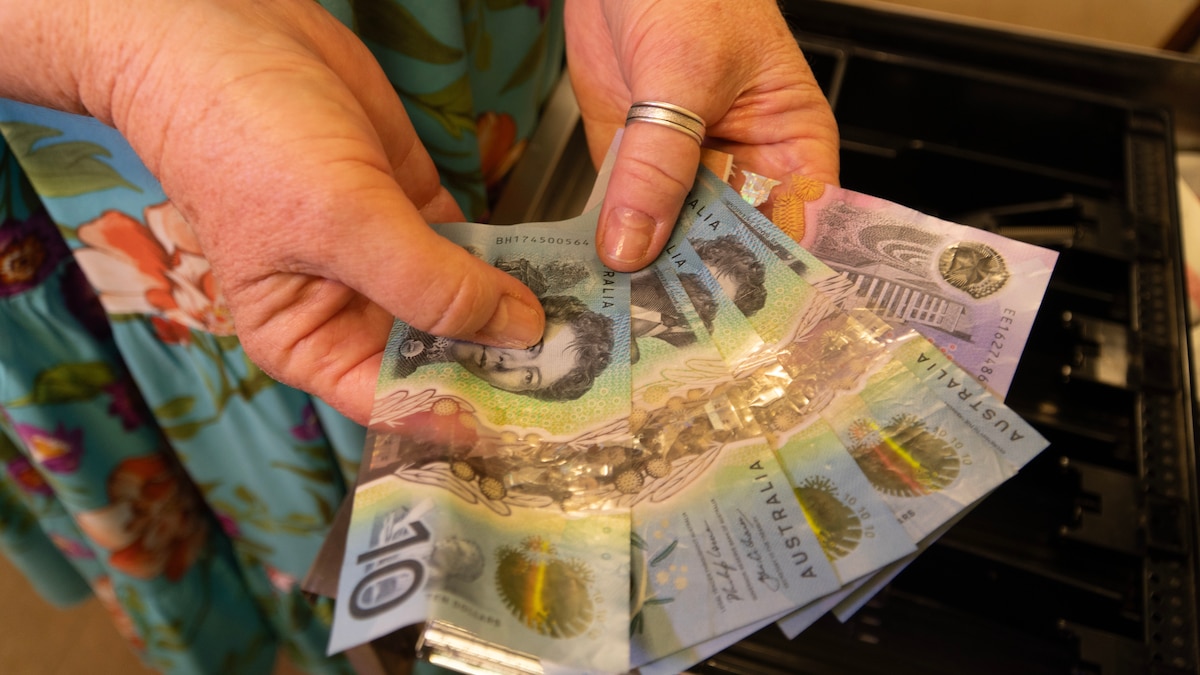
Australia's inflation jumped to 4.9% in October, the highest in three years, making an RBA rate cut even less likely soon.
The consumer price index has come in hotter than expected and underlying inflation has also risen, leaving Australia grappling with accelerating price rises and increasing unemployment.
Australia's annual inflation rate rose to 4.9 per cent in October, coming in hotter than economists expected and hitting a three-year high.
Underlying inflation also picked up to 3.8 per cent, above the forecast of 3.6 per cent and well outside the RBA's target band of 2 to 3 per cent.
With inflation and unemployment both rising, economists say the RBA faces a tough call at its December 8 meeting, and a rate hike in February remains possible.
The RBA meets on December 8 to decide on rates, and economists say a hike in February is still on the table, so no mortgage relief looks likely anytime soon.
Inflation has come in hotter than expected in October, leaving Australia grappling with accelerating price rises and increasing unemployment.
The consumer price index rose half a per cent in October, in original terms, with the annual rate of inflation lifting to 4.9 per cent, the Australian Bureau of Statistics (ABS) said.
It's the highest headline inflation rate in three years.
The trimmed mean, a measure of underlying inflation, also picked up pace, rising 3.8 per cent over the year. Economists had expected it to remain steady at 3.6 per cent, which would have still been above the Reserve Bank's target of 2-3 per cent.
Rising inflation, unemployment 'RBA's worst nightmare'
The RBA had forecast headline inflation to remain elevated for another year, before easing to 2.7 per cent by the end of 2027.
However, headline inflation, underlying inflation and unemployment are now all above where the central bank had forecast them to sit at the end of 2026.
"Rising inflation and unemployment are the RBA's worst nightmare," Oxford Economics head of economic research Harry Murphy Cruise said.
"Both are at odds with its dual mandate of price stability and full employment, but they require opposing policy responses. Taming inflation requires higher rates, but that comes at the expense of employment."
The RBA board next meets in just under a fortnight's time, with its interest rates decision to be handed down on December 8.
Betashares chief economist David Bassanese said the higher-than-expected underlying inflation result highlighted the "tough challenge" facing the economy.
"Although economic growth has slowed, the inflation dragon has not yet been slain," Mr Bassanese wrote.
"The economy may yet require more pain to get the job done."
Mr Bassanese, who has been forecasting a February rate hike, said it "remain[ed] on the table".
"Overall, while the economy is showing signs of slowing, the risk is that it has not slowed enough. If the RBA moves rates in 2027, the risk remains tilted towards a hike."
Oxford Economics has maintained its view that rates will remain on hold in December and through 2027.
Economists at UBS, on the other hand, still expect the RBA to cut interest rates in August 2027.
While they saw the high inflation numbers as raising the risk of an extra rate hike in February, they noted that the split in the central bank board, with "dovish external board members" arguing for rates to remain on hold, would likely mean no hike.
AMP economists Diana Mousina and My Bui said the October inflation would likely lead to concerns about a stagflation environment in 2027.
Stagflation, where high inflation collides with stagnating economic growth and rising unemployment, would put the RBA in a difficult position, they noted.
What contributed to rising inflation in October?
The data reflected the continuing cost-of-living pressures facing households, with the cost of essentials rising.
Non-discretionary prices were up 6.1 per cent over the year, compared to 3.2 per cent for discretionary.
"Since it's hard for households to reduce their spending on non-discretionary goods and services, households cannot mitigate the impact of this latest round of high inflation," Indeed economist Callam Pickering said.
Housing was the largest contributor to annual inflation in October, the ABS said. Housing prices rose 6.4 per cent, compared to a rise of 5.2 per cent in the 12 months to September.
Electricity, which is classified as a housing cost, rose 25.2 per cent over the year to October.
"The rise in electricity reflects Commonwealth government rebates, which reduced household electricity costs last year but are no longer in place," ABS head of price statistics Rachael McCririck said.
New dwelling prices also increased in pace, up 5.1 per cent annually, driven by builders passing on higher costs for materials and labour.
"Builders were reported to be giving less discounts or promotional offers, despite subdued demand," AMP economists noted.
Transport was the second biggest contributor due to rising automotive fuel prices.
Fuel was excluded from the trimmed mean in October, and this was a key driver of the difference between headline and trimmed mean inflation, the ABS said.
"Inflation obviously remains a problem. However, we expect inflation to ease considerably over the next six months as some temporary factors drop out," Mr Pickering said.
Interest rates are at a 18-year high. Tell us how this will impact your livelihood or businessFive minutes for you


More from Cuppa
Greens leader Ellen Sandell defies own how-to-vote cardVictorian Greens leader Ellen Sandell voted differently to her own how-to-vote card on election day, preferencing the Animal Justice Party candidate third instead of an independent.
Child star takes swipe at J.K. Rowling after losing Harry Potter roleA 14-year-old actor who missed out on a Harry Potter HBO role said he prefers his new film anyway, and took a dig at J.K. Rowling in the process.
Two overlooked “forever chemicals” linked to up to 2.5 times the odds of liver cancerA new study links two lesser-known forever chemicals found in everyday products to up to 2.5 times the odds of developing liver cancer, especially in people with fatty liver disease.
AI labs sitting on ‘bombshell’ revelations that could cause global chaos, experts warnExperts warn AI may have secretly cracked the maths behind global encryption, which could expose banking and government communications worldwide.
House slips down hill as fresh landslide hits Mornington PeninsulaA fresh landslide at McCrae on the Mornington Peninsula has caused an unoccupied house to slide down a hill, with an emergency warning urging locals to stay away.
Clayton reveals Labuschagne backing amid Test switchJack Clayton is set to make his Test debut for Australia against New Zealand in Perth, replacing Marnus Labuschagne who reportedly gave him his full support.
Israeli strike on Doctors Without Borders clinic in Gaza kills two staffAn Israeli strike on a clearly marked Doctors Without Borders clinic in Gaza City killed two MSF staff, bringing the total MSF deaths in Gaza to 17.
Home damaged along troubled stretchA fresh landslide at McCrae on the Mornington Peninsula has damaged an unoccupied home, with nearby properties evacuated and roads closed.
What readers are saying